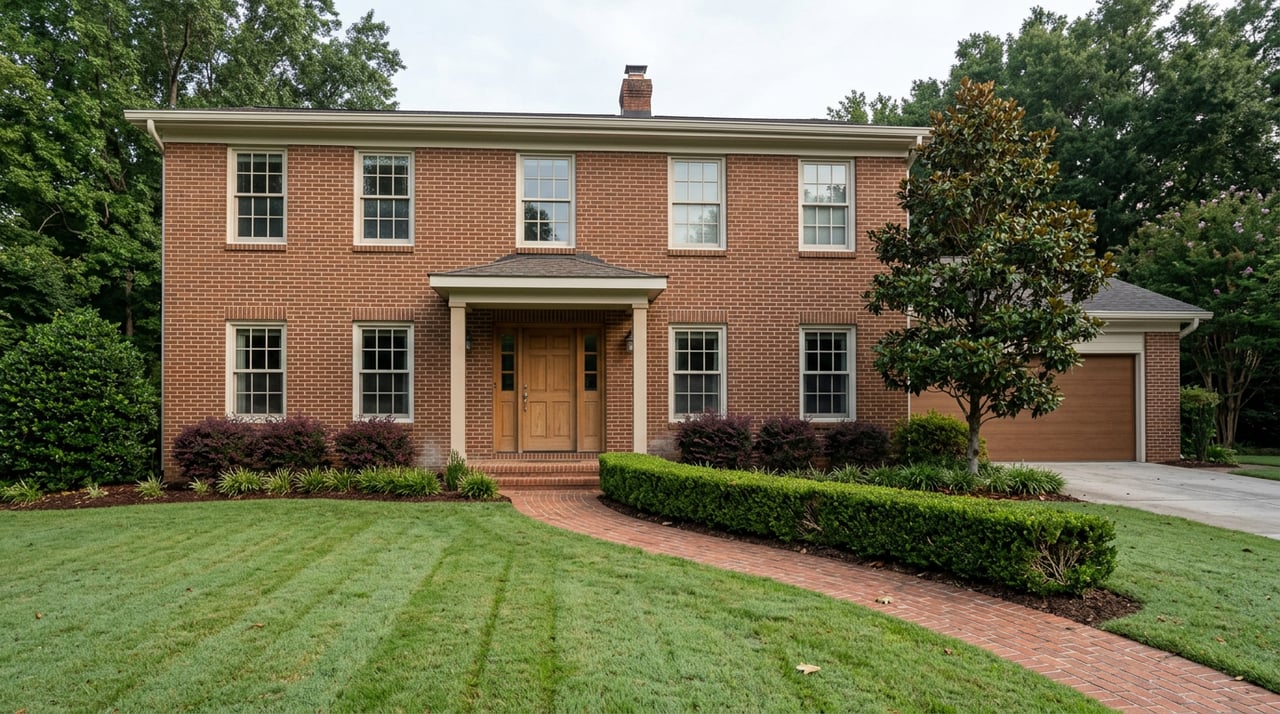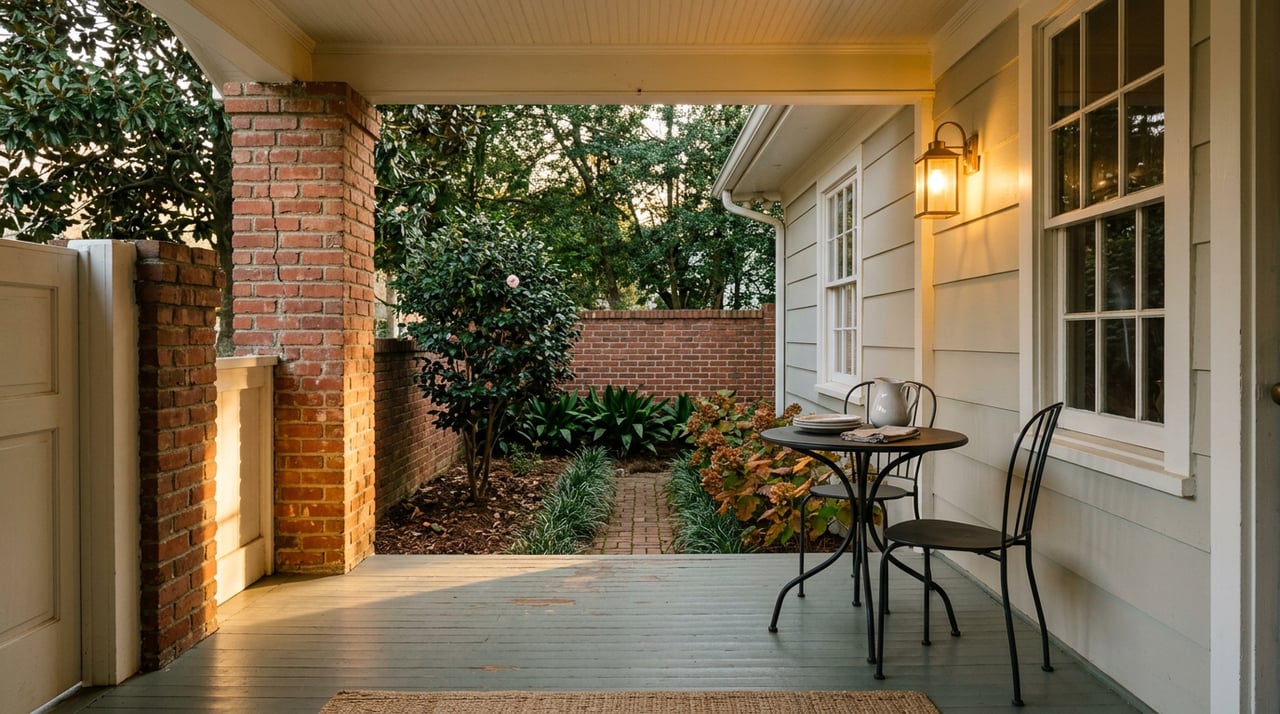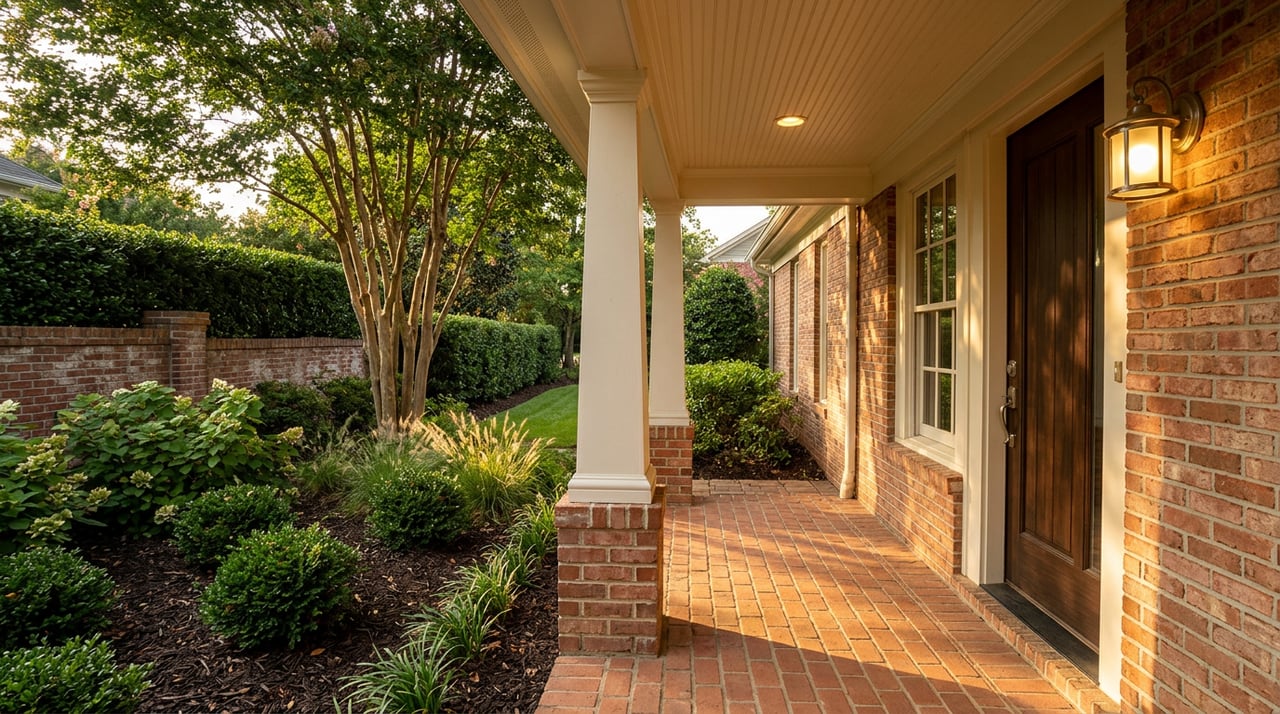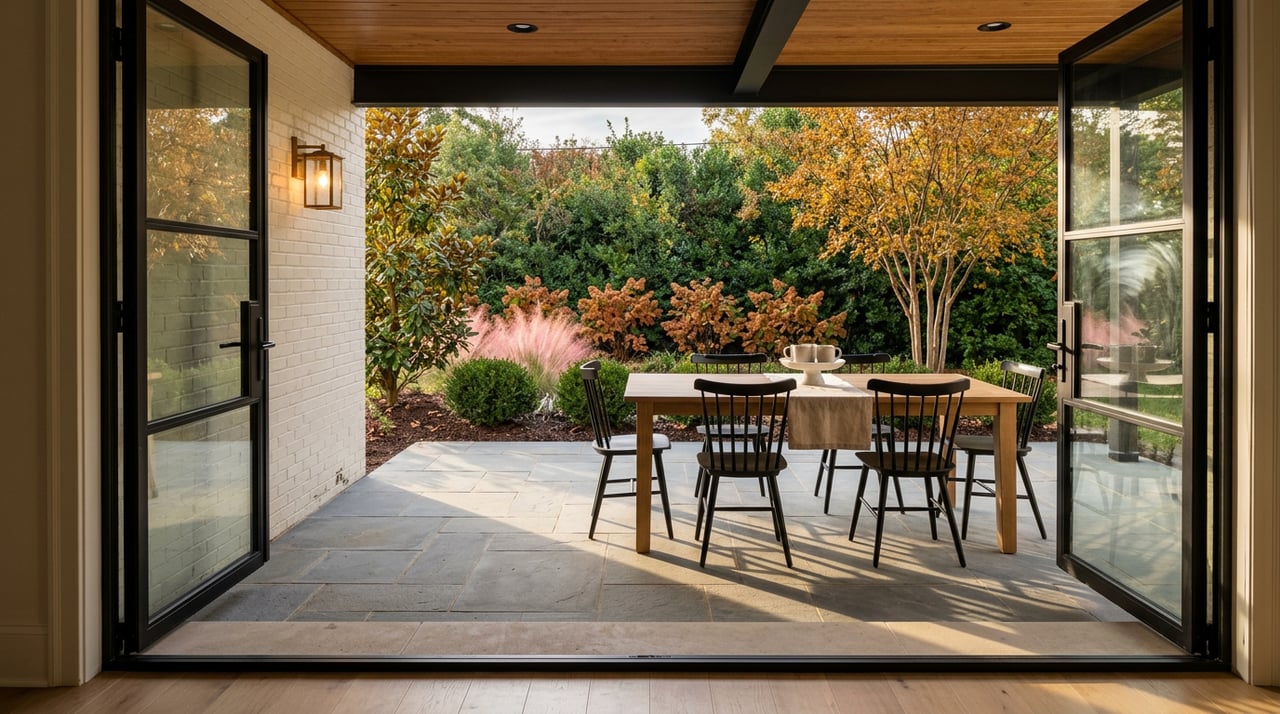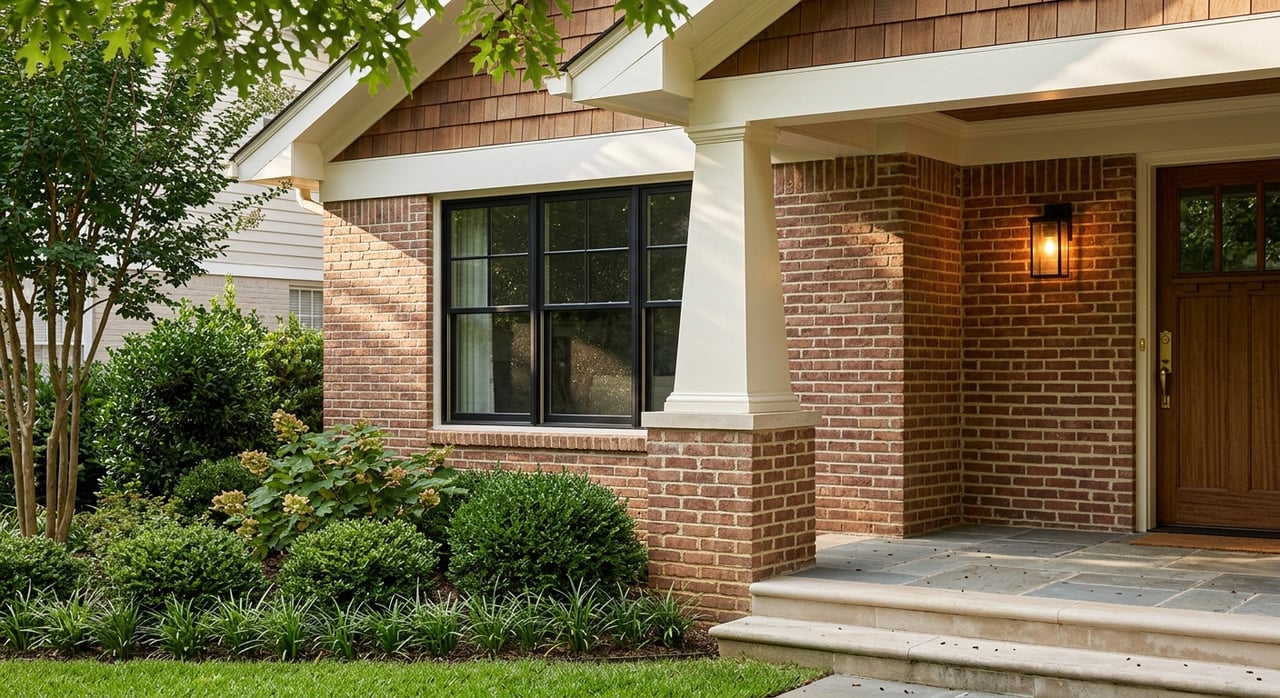
If you own a Homewood cottage or bungalow, you may wonder how to sell it without losing what makes it special. Older homes can raise more questions, but they can also create a stronger emotional connection when they are presented the right way. In a market like Homewood, where older neighborhoods are part of the city’s story and homes continue to draw strong interest, the goal is not to hide age. It is to show buyers why your home’s character, upkeep, and setting matter. Let’s dive in.
Why Homewood Cottages Stand Out
Homewood’s older homes are tied closely to the city’s history. The city notes that neighborhoods like Rosedale, Grove Park, Edgewood, Oak Grove, and Hollywood were developed before or around Homewood’s incorporation in 1926. That means many cottages and bungalows are not unusual exceptions. They are part of the local foundation.
That context matters when you sell. Buyers looking in Homewood often expect a mix of older architecture, mature lots, and established streetscapes. When your home is framed as part of that broader Homewood story, it can feel more rooted and more memorable.
Historic documentation also shows that Homewood includes the kinds of homes many buyers actively seek out. In local historic districts, official records reference architectural styles and details tied to smaller older homes, including Craftsman bungalows, porches, wood windows, decorative rooflines, and brick or block foundations. Those features can help your home feel distinctive instead of dated.
What the Homewood Market Suggests
Homewood remains a high-value and active market by recent measures. Census QuickFacts reports a 61.7% owner-occupied housing rate and a median value of $558,500 for owner-occupied homes. In May 2026, Redfin reported a median sale price of $639,617 and homes selling in about 30 days, while Realtor.com reported a median listing price around $550,000 and about 25 median days on market.
Those numbers do not guarantee a result for any one property, but they do suggest that buyers are paying attention to Homewood. Redfin also described the market as very competitive, with some homes receiving multiple offers. For a cottage or bungalow seller, that creates opportunity, especially when your home is well-prepared and clearly positioned.
Highlight Character Without Overdoing It
When you market a cottage or bungalow, buyers need to understand that its details are intentional. Historic district descriptions for Homewood repeatedly reference features like porches, wood windows, decorative rooflines, and older foundation materials. These are not flaws to explain away. They are often part of the appeal.
Focus on the features that make your home feel warm, useful, and authentic. Depending on your property, that may include:
- A welcoming front porch
- Original or period-style windows
- Built-ins or trim details
- Distinctive rooflines
- Brick, block, or other older foundation elements
- A practical footprint that lives larger than its square footage
The key is balance. You want buyers to see the charm, but you also want them to understand how the home functions for modern daily life.
Tell a Strong Homewood Story
A good listing does more than describe rooms. It places the home within the context of Homewood itself.
Because neighborhoods like Edgewood, Rosedale, Grove Park, and Hollywood helped shape the city, your marketing should give buyers a sense of place. That does not mean making broad claims or using vague lifestyle language. It means explaining, in clear factual terms, that your home is part of a long-established area within a city known for its early development and enduring neighborhood identity.
This kind of storytelling is especially effective for smaller homes. A cottage or bungalow can feel more compelling when buyers understand that it reflects the architectural and historical fabric of Homewood rather than standing apart from it.
Prep Before You List
For most older homes, smart preparation beats major renovation. The 2025 National Association of Realtors staging report found that buyers’ agents and sellers’ agents both placed high importance on photos, videos, traditional staging, and virtual tours. Common prep steps included decluttering, paint touch-ups, curb appeal work, minor repairs, carpet cleaning, landscaping, and professional photography.
That fits cottages and bungalows well. In many cases, the best pre-listing updates are the ones that make the home feel brighter, cleaner, and more cared for, without stripping away original details.
Focus on these updates first
- Declutter each room so the layout feels easy to understand
- Touch up paint where walls, trim, or doors show wear
- Complete minor repairs you may have postponed
- Deep clean floors, surfaces, and windows
- Improve lighting where rooms feel dim
- Refresh landscaping and entry areas
- Prepare the home for professional photography and video
At HBH, this kind of planning matters because presentation has a direct impact on how buyers respond online and in person. A smaller older home often wins when the story, visuals, and condition all line up.
Be Careful With Exterior Work
Curb appeal matters, but in Homewood, tree work is not something to handle casually. The city says its tree ordinance requires permits before removing or pruning certain trees and encourages replanting.
Before making major changes outside, check whether your plans could trigger permit requirements. In many cases, simple cleanup, removal of dead plant material, basic trimming, and general tidying can improve first impressions without creating unnecessary complications.
Organize Permits and Repair Records
Older homes usually come with more buyer questions. Homewood’s Inspections & Permits department handles plan reviews, code enforcement, building permits, Certificates of Occupancy, and inspections for structural, plumbing, mechanical, electrical, natural gas, and propane gas components. The city also lists permits for residential work, demolition, and tree removal.
That means paperwork matters. If your cottage or bungalow has had additions, system replacements, or visible exterior work, gather your records before the home hits the market.
Helpful documents to collect
- Building permits
- Contractor invoices
- Receipts for repairs or replacements
- Warranty information
- Service records for HVAC or other systems
- Any available documents tied to exterior updates
Homewood also has a Historic Preservation Commission, so organized documentation can be especially useful if buyers ask about visible exterior changes. Clear records help you answer questions consistently and reduce uncertainty during due diligence.
Understand Alabama’s Caveat Emptor Rule
In Alabama, the Alabama Real Estate Commission states that existing-home sales generally follow caveat emptor. In simple terms, the buyer usually carries the burden of inspecting the property.
That does not mean you should take a hands-off approach. In fact, sellers of older homes often benefit when they can respond quickly with factual information, records, and known system details. A well-documented home can feel easier to evaluate, which may help buyers move forward with more confidence.
Prepare for Inspection Questions
Buyers often look closely at older homes because they want to understand both charm and condition. Inspection guidance commonly focuses on major systems, structure, and mechanical components such as heating, cooling, ventilation, and electrical.
In practice, buyers touring a Homewood cottage or bungalow may ask:
- What updates have been made?
- How old are the major systems?
- Was prior work permitted?
- How does the layout function day to day?
- Are there records for repairs and maintenance?
The best strategy is to answer those questions before they become obstacles. If you can provide ages, service history, receipts, and permit records where available, your home may feel less like a question mark and more like a cared-for property with a clear story.
Know the Lead Paint Rules
If your home was built before 1978, lead-based paint rules matter. The EPA requires sellers and agents to disclose known lead-based paint information before contract and provide the required federal pamphlet. Buyers also have a 10-day period to test for lead hazards unless that right is waived.
This is especially relevant in older cottages and bungalows because the EPA notes that older homes are more likely to contain lead-based paint. Renovations or repairs in pre-1978 homes can also create dangerous lead dust if lead-safe methods are not used.
If buyers ask about lead paint, stick to factual answers. The EPA says intact lead-based paint is often manageable, while deteriorating paint can be hazardous, especially on surfaces like windows, doors, railings, and porches. In an older Homewood home, those are often the same features buyers notice first, so it helps to address known conditions clearly and calmly.
Confidence Comes From Preparation
Selling a Homewood cottage or bungalow with confidence is usually less about flashy changes and more about smart positioning. Your home’s age can support its appeal when you pair character with clean presentation, organized records, and a clear understanding of what buyers want to know.
That is where a full-service approach can make a real difference. From staging coordination and repairs to professional photography, video storytelling, and launch strategy, the right plan helps your home feel polished without losing the details that make it yours.
If you are thinking about selling in Homewood and want a clear strategy for your cottage or bungalow, connect with The HBH Realty Group | By ReaL Brokerage for a personalized home-selling plan.
FAQs
What makes a Homewood cottage or bungalow appealing to buyers?
- Many buyers are drawn to older Homewood homes because they reflect the city’s early development and often include features like porches, wood windows, decorative rooflines, and Craftsman-era details.
What should you update before selling an older Homewood home?
- Focus first on decluttering, paint touch-ups, minor repairs, deep cleaning, curb appeal, and strong listing media like professional photos and video.
What records should you gather before listing a Homewood bungalow?
- Try to collect permits, contractor invoices, repair receipts, warranty information, and service records for major systems, especially if the home has had additions or visible exterior changes.
What should sellers know about tree work in Homewood?
- Homewood regulates certain tree removal and pruning through its tree ordinance, so check permit requirements before making major exterior changes.
What should sellers know about lead paint in older Homewood homes?
- If the home was built before 1978, sellers must disclose known lead-based paint information and provide the required EPA pamphlet before contract, and buyers usually receive a 10-day opportunity to test unless waived.
How does caveat emptor affect selling a Homewood cottage?
- In Alabama existing-home sales, buyers generally carry the inspection burden, so sellers often benefit from being ready with clear records and factual answers about the home’s condition and updates.