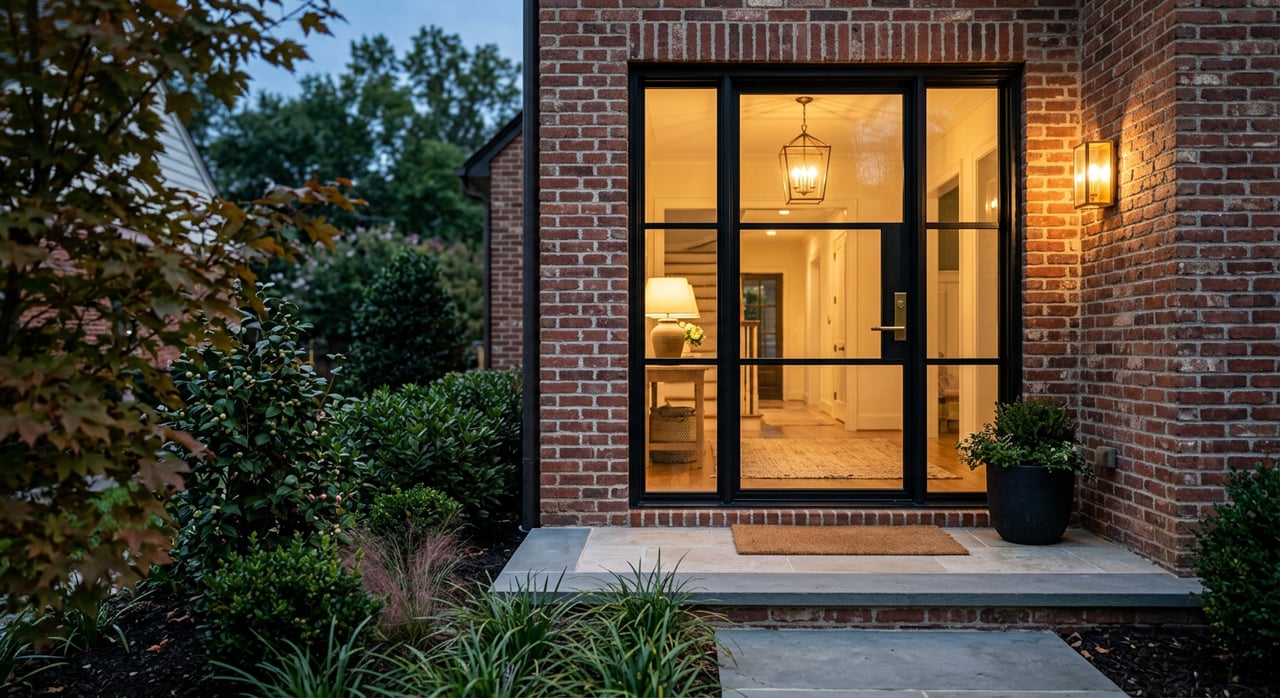
Trying to choose between Homewood and Hoover? You are not alone. Each offers a distinct lifestyle, from charming, walkable streets to resort-style neighborhoods with wide amenities. In this guide, you will see how they compare on commute, schools, home styles and lot sizes, walkability, price ranges, and taxes so you can match a suburb to your day-to-day life. Let’s dive in.
Big-picture snapshot
Homewood is a compact city just south of downtown Birmingham, roughly 3 to 5 driving miles from the city center. Hoover is a much larger suburban city that stretches across parts of Jefferson and Shelby counties, with several distinct neighborhoods and master-planned communities. That difference in scale and distance shapes commute times, walkability, and housing options.
Both suburbs are affluent by Alabama standards with median household incomes around $108,000, based on recent American Community Survey data. Mean travel time to work is shorter in Homewood at about 17.3 minutes compared with Hoover’s 25.1 minutes, which reflects Homewood’s proximity to major employers like UAB and downtown. These numbers summarize all residents, so your experience will vary by neighborhood and exact route. [Source: U.S. Census QuickFacts]
- Homewood feel: historic character, smaller lots, close-in convenience, strong local amenities within a tight footprint.
- Hoover feel: wider variety of neighborhoods, more new construction, larger lot options, and drive-to amenities spread across a bigger area.
Commute and location convenience
Proximity and average commute times
If you want a quick daily drive to UAB or downtown, Homewood’s location often makes that easier. The mean commute time for Homewood residents is about 17.3 minutes, while Hoover averages about 25.1 minutes according to ACS 2019–2023 data. Those figures capture typical resident patterns rather than a single route, so always test your commute from a specific address and time of day. [Source: U.S. Census QuickFacts]
Transit and street grid
Both suburbs are primarily car-oriented. Homewood’s denser street grid and closer-in setting can make short trips easier, and limited bus service exists along key corridors. Hoover is generally more car-dependent given its size, though some master-planned areas include village centers designed for local walking.
Homes, lots, and neighborhood styles
What you will find in Homewood
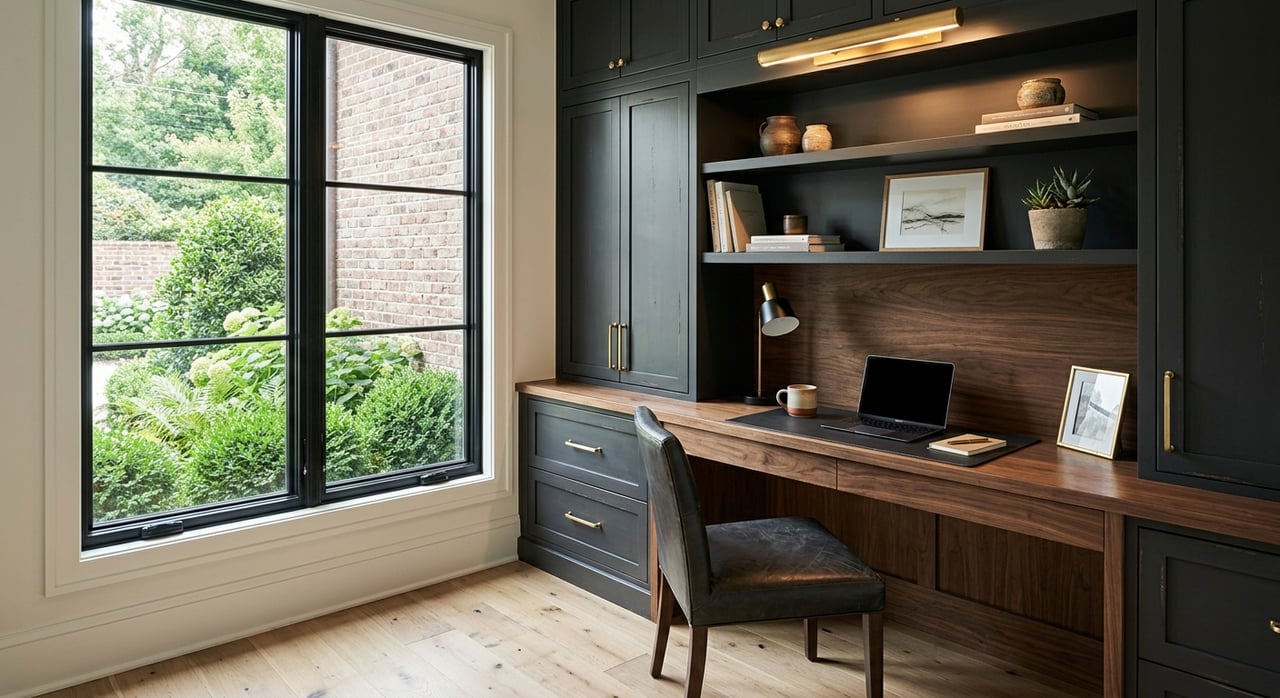
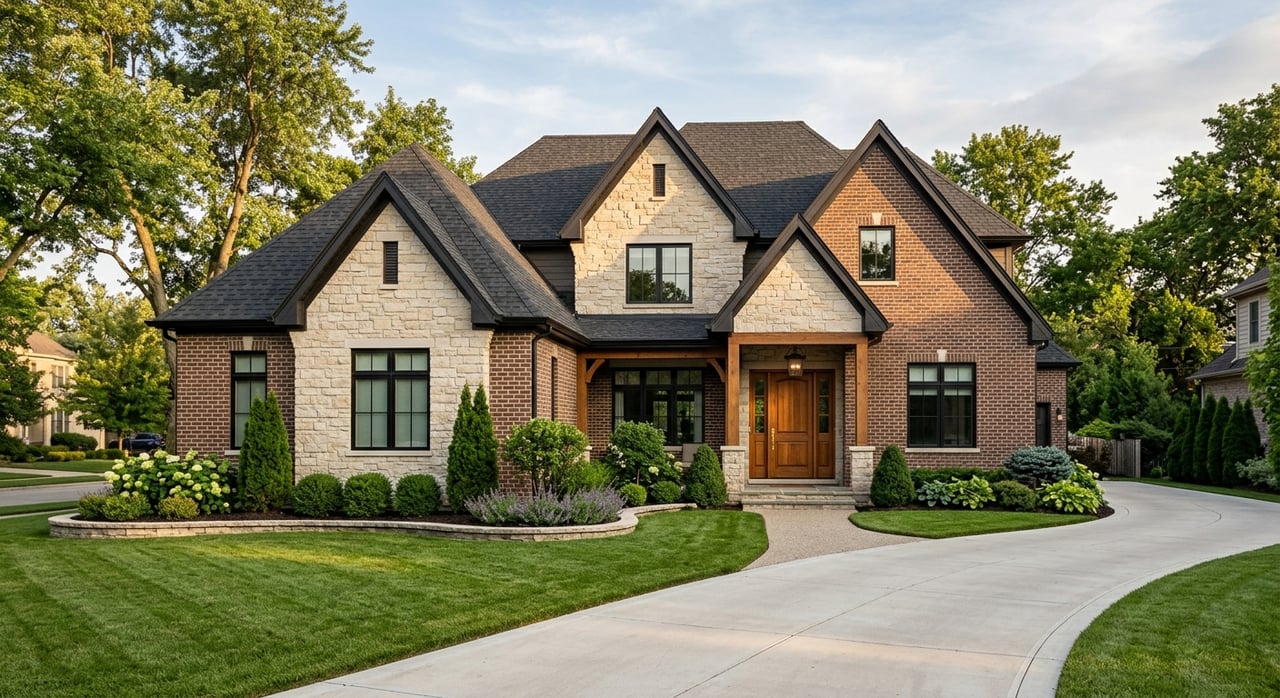
Homewood’s housing leans historic and charming. You will see bungalows, Tudor and Craftsman styles, and pockets of Spanish-Revival, along with targeted infill and newer builds. Lots are often smaller, commonly in the 0.15 to 0.35 acre range in established neighborhoods. That smaller footprint helps create a walkable feel near areas like SoHo and Edgewood.
What you will find in Hoover
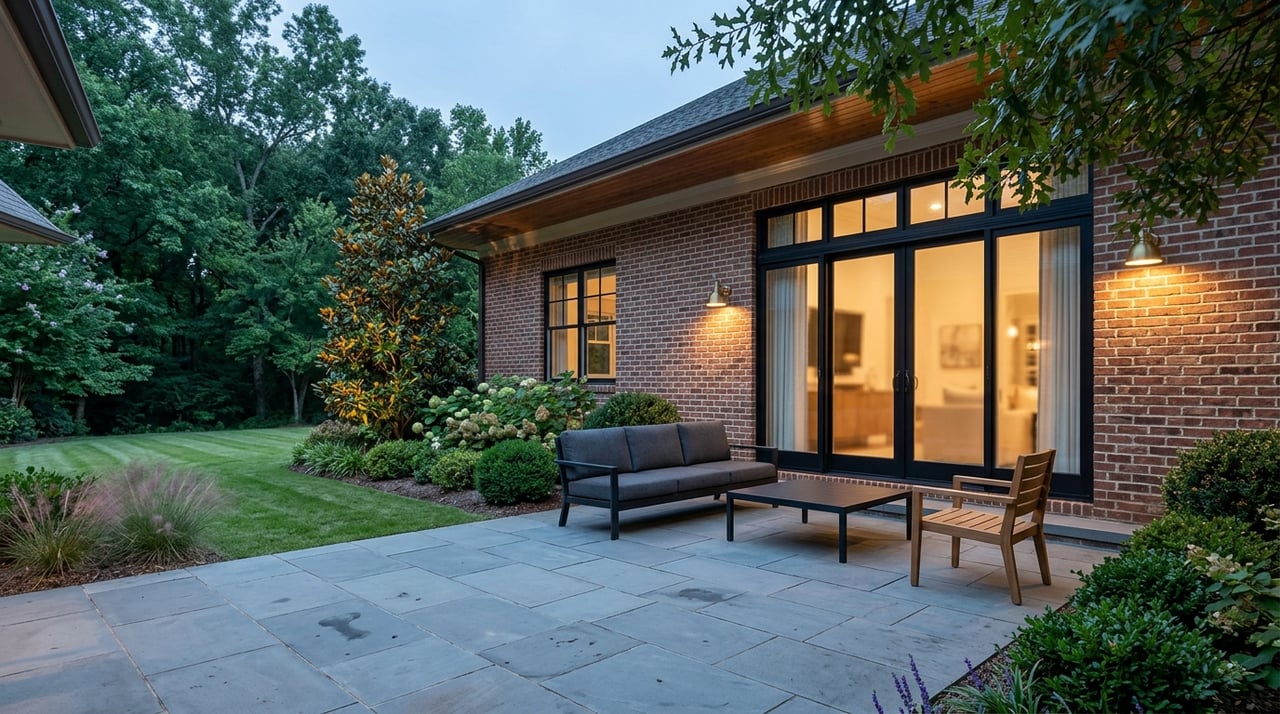
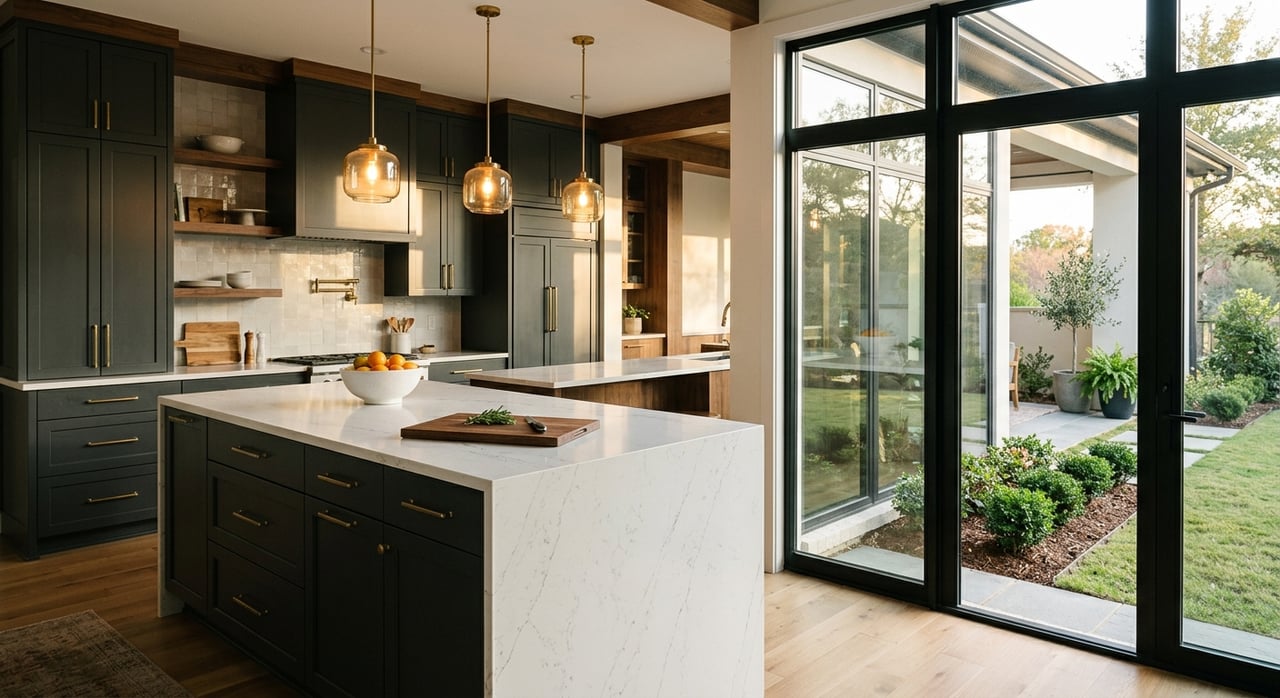
Hoover spans classic subdivisions and master-planned communities such as Riverchase, Ross Bridge, Greystone, Bluff Park, and Cahaba Heights. Options range from townhomes and smaller-lot homes to gated golf-course communities and estate-size parcels that can be a half-acre to an acre or more. If you want newer construction, community amenities, and a wider spread of sizes and prices, Hoover offers many paths to fit your wishlist.
Price snapshots and inventory
Recent market snapshots show that Homewood and Hoover trade in similar overall price ranges, with methodology differences across providers causing some variation. As of early 2026, median sale prices were around the low-to-mid 400s for both cities, with some sources showing a higher typical value in Homewood due to smaller lots and a premium for walkable locations. Inventory tends to be tighter in Homewood’s most walkable neighborhoods, while Hoover offers more overall selection with hot spots of competition in popular subdivisions. Use up-to-date MLS data for a specific month when you are ready to shop.
Schools and education
District profiles
Homewood City Schools is a smaller city district with five schools that feed one high school. The district and Homewood High are widely recognized in local reporting for strong outcomes and community support. Review current programs and metrics on the district’s site. [Source: Homewood City Schools]
Hoover City Schools is larger, with multiple elementary and middle schools and two principal high schools, Hoover High and Spain Park. District materials highlight high graduation and college-readiness indicators, and both high schools appear frequently in state-level lists reported by local media. [Sources: Hoover City Schools, Hoover Sun coverage of rankings]
Zoning and verification
School zoning can change over time, and different neighborhoods within each city feed different campuses. Before you rely on any district-level statement, verify the current attendance boundaries for a specific property with the district’s official maps or office. [Sources: Homewood City Schools, Hoover City Schools]
Private and higher education nearby
Homewood is adjacent to Samford University and includes private options such as John Carroll Catholic High School in the broader area, which can matter for families and faculty commuters. You can browse education listings through the local chamber for additional context. [Source: Homewood Chamber education listings]
Walkability and amenities
Homewood’s in-town convenience
Homewood’s central corridors around SoHo and 18th Street South create a small-city downtown with dining, coffee, boutiques, parks, and cultural spots. Citywide Walk Score averages are in the 40s, with higher scores in the most central blocks. Explore a sample of the SoHo/Edgewood area to see how much is within a short stroll. [Sources: Homewood city Walk Score, SoHo area Walk Score sample]
Hoover’s retail and recreation
Hoover’s size supports large retail anchors and destination recreation. The Riverchase Galleria is one of Alabama’s major shopping hubs, and the city is known for resort and golf community living, including Greystone’s golf offerings. Parks, gardens, and access to nearby outdoor destinations add breadth to weekend plans. [Sources: Riverchase Galleria context, Greystone Golf context]
What “walkable” means in practice
Hoover’s overall Walk Score is lower given its suburban scale, though some master-planned pockets include village centers you can enjoy on foot. When you value walkability, focus on specific addresses and nearby nodes rather than citywide averages. [Source: Hoover Walk Score overview]
Taxes and cost considerations
How Alabama property tax works
Alabama typically assesses owner-occupied residential property at 10 percent of fair market value, then applies millage rates set by state, county, and local authorities. Recent state law created a 7 percent cap on annual increases in taxable assessed value for many owner-occupied properties, which can help with year-to-year predictability. For a precise parcel estimate, consult the county tax assessor. [Source: Alabama Department of Revenue]
Local millage examples
Local reporting places Homewood’s total millage around 75 mills. Hoover’s total millage is often quoted near 72.6 mills in the Jefferson County portion and about 66.5 mills in the Shelby County portion. The actual rate depends on your parcel’s location and which school and municipal levies apply, so verify the current rates for your tax year. [Source: The Homewood Star local coverage]
Sales tax and other costs
Alabama applies a statewide base sales tax first, then county and city add-ons. Combined rates around the Birmingham suburbs commonly land near 8 to 9.5 percent, but the exact number varies by address and district. Check current combined rates for your ZIP before budgeting major purchases. [Source: Sales tax overview]
Other variables to consider include HOA or club dues in master-planned communities, insurance needs, and any flood-related requirements. Always confirm community fees with the HOA and check risk maps and lender guidance during due diligence.
How to choose: a quick checklist
Use this short list to match your day-to-day life with the right suburb:
- Commute priority: If you want a shorter average commute to UAB or downtown, Homewood’s location is a strong fit. If you split time across suburbs or value interstate access to multiple corridors, Hoover’s network may suit you.
- Walkability vs. space: Choose Homewood if you want a lively, small-downtown feel and do not mind smaller lots. Choose Hoover if you want more yard, newer builds, or master-planned amenities.
- Home style and age: Love historic character and tree-lined streets with bungalows and Tudors? Homewood may win. Prefer newer construction, larger floor plans, or golf community living? Explore Hoover.
- Schools and zoning: Both districts are strong in state comparisons. Verify your exact address with the district’s zoning maps to ensure the right campus fit.
- Budget shape: Expect similar overall price ranges, with Homewood often carrying a higher per-square-foot premium in its walkable cores and Hoover offering a wider ladder of size and price.
- Taxes and fees: Confirm which county your Hoover address sits in, check current millage, and account for any HOA or club dues if you are targeting a planned community.
What this means for you
Both Homewood and Hoover offer strong quality of life, just in different flavors. If you picture Saturday mornings walking to coffee and a quick weekday commute, Homewood’s close-in charm delivers. If you want more elbow room, community amenities, and a range of neighborhood styles, Hoover shines. The right choice comes down to how you live, where you work, and what you value most in your home.
Ready to compare neighborhoods and test-drive routes, schools, and amenities in person? Our team coordinates every step, from financing introductions and on-demand tours to inspections, repairs, staging, and a smooth closing through our HBH Hub concierge.
If you are planning to sell before you buy, our video-first marketing and coordinated prep help you hit the market with confidence while you shop for your next home.
Connect with a local advisor and map out a plan that fits your timeline. Schedule your next step with The HBH Realty Group | By ReaL Brokerage.
FAQs
What is the average commute difference between Homewood and Hoover?
- Based on ACS 2019–2023 data, Homewood residents average about 17.3 minutes while Hoover averages about 25.1 minutes, though your route and time of day will affect actual drive times. [Source: U.S. Census QuickFacts]
How walkable are Homewood and Hoover for daily errands?
- Homewood’s central areas like SoHo and Edgewood score higher and support short walks to shops and parks, while Hoover is more car-dependent with pedestrian-friendly pockets inside certain master-planned communities. [Sources: Homewood Walk Score, Hoover Walk Score]
How do property taxes compare in Homewood and Hoover?
- Alabama assesses owner-occupied homes at 10 percent of market value, then applies local millage. Local reporting places Homewood near 75 mills, Hoover near 72.6 mills in Jefferson County and 66.5 mills in Shelby County. Verify the current year for your parcel. [Sources: Alabama Department of Revenue, The Homewood Star]
What home styles are common in each suburb?
- Homewood features many historic bungalows, Tudors, and Craftsman homes on smaller lots, with select infill and newer builds. Hoover offers a broad mix from townhomes and traditional subdivisions to golf and gated communities with larger lots.
How can I confirm which schools a specific address is zoned to?
- Check the school district’s official maps or contact the district office directly, since boundaries can shift over time. [Sources: Homewood City Schools, Hoover City Schools]