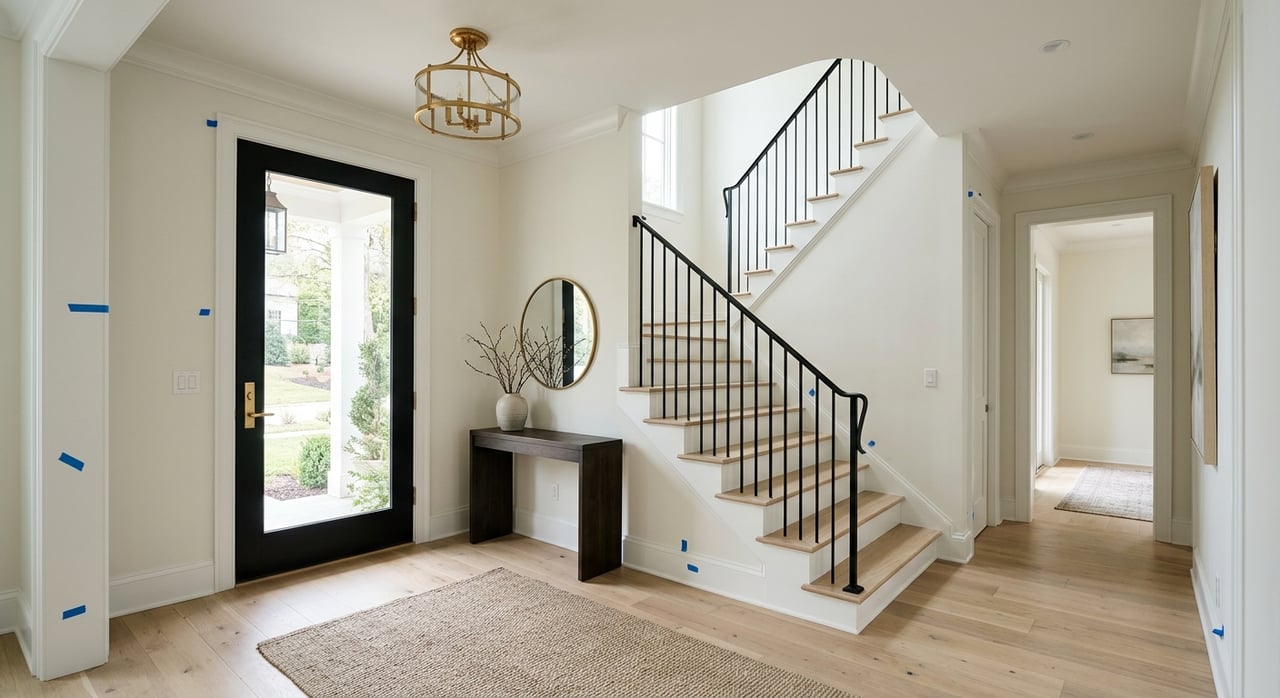
Wondering what it’s really like to buy new construction in Knox Square? You are not alone. New construction can feel exciting, but it also comes with moving parts that many buyers do not see at first, from phased lot releases to design selections to builder timelines that shift as construction moves forward. If you want a clearer picture of how the process works in Hoover, this guide will walk you through what to expect so you can make confident decisions. Let’s get into it.
Why Knox Square Gets Attention
Knox Square is a planned residential and mixed-use development in Hoover’s Trace Crossings area, across from the Hoover Met. According to Hoover planning records, the single-family portion was approved for 118 home sites with a dedicated amenity center, and a later Phase 1B plat added 39 residential lots.
That matters because it gives you a practical clue about how inventory may appear. Rather than expecting every homesite to be available at once, it is reasonable to expect lot releases in phases and confirm current opportunities directly with the community sales team.
The broader area also adds to the appeal. Knox Square includes nearby mixed-use elements, and the surrounding area is described as close to dining, shopping, and everyday conveniences, with destinations like The Village at Brock’s Gap and Stadium Trace Village nearby. WBRC also reported in January 2025 that the retail component includes a 50,000-square-foot project with 19 leased shops.
Who Builds in Knox Square
Based on city records and public community plan pages, Signature Homes is the builder associated with Knox Square. That is important if you are comparing this community to a true custom-home process, because Signature states that it builds planned communities rather than custom homes on private land.
For you as a buyer, that means you are generally choosing from available homesites, published floor plans, and builder-offered options instead of starting from a blank sheet of paper. In many cases, that can create a more structured buying experience, but it also means you will want to understand exactly what is included and what can be changed.
Floor plan range
The current Knox Square floor plan pages show a broad range of sizes and layouts, including:
- Baker 1A: 3 bedrooms, 2 bathrooms, 1,423 square feet
- Berra 1A: 3 bedrooms, 2.5 bathrooms, 2,016 square feet
- Ruth 1A: 3 bedrooms, 2 bathrooms, 2,560 square feet
- Raines 1A: 3 bedrooms, 2.5 bathrooms, 2,776 square feet
- Carew 1B: 5 bedrooms, 3 bathrooms, 3,020 square feet
- Murphy 2E: 4 bedrooms, 3 bathrooms, 3,145 square feet
- Murphy 2F: 4 bedrooms, 3 bathrooms, 3,193 square feet
That mix suggests buyers may find options ranging from smaller move-up homes to larger plans with more bedrooms and square footage.
What You Are Actually Buying
One of the biggest new-construction mistakes is assuming the model image or online rendering is the final product. Signature’s published plan pages specifically note that renderings are marketing materials, actual materials may vary, some features are optional, and plans, pricing, and features can change without notice.
That is why your contract documents and spec sheet matter more than the brochure. If you are buying in Knox Square, make sure you know which features are standard, which are upgrades, and which visual details shown online may reflect non-standard options.
Standard features vs upgrades
Signature’s FAQ explains that buyers may have access to structural and design upgrades in addition to included finishes. It also notes that upgrades may include:
- Home-site premiums
- Structural options
- Finish selections
The easiest way to stay organized is to think in two buckets:
- Included features that come with the plan and homesite you select
- Upgrades that increase your cost during lot selection or the design process
This is especially helpful when you compare homesites or floor plans. A base price may not tell the full story if one lot carries a premium or one home includes structural changes and upgraded finishes.
How the Timeline Usually Works
If you are buying new construction, the timeline is usually less about one fixed closing date and more about a series of milestones. According to Signature Homes’ FAQ, build time varies based on the size of the home, and at contract the sales agent provides a closing window rather than a hard final date.
That estimate becomes more specific later in the process, especially at the frame walk. During construction, the builder says buyers also receive communication from the designer and Customer Experience Specialist, along with photos and updates, and bi-weekly calls with the builder after frame review.
A simple timeline to expect
Here is the buyer-friendly version of how the process generally works:
- Contract phase: You choose your plan, homesite, and contract terms, then receive an estimated closing window.
- Pre-construction approvals: Hoover requires a building permit before construction starts, with erosion-control work allowed before permit issuance in limited cases.
- Design selections: After contract, you meet with the designer for finishes and lighting selections.
- Construction milestones: The home moves through framing, inspections, and later-stage completion items.
- Frame walk: This is one of the key checkpoints, and the closing timeline often becomes more defined here.
- Final inspections and closing: The permit is not complete until required inspections pass.
On the local side, Hoover’s residential permit requirements add important context. The city also states that where applicable, ARC or HOA approval is required, and a certified post-foundation survey must be approved before rough inspections are scheduled.
That means delays are not always about the builder alone. Municipal approvals, inspection scheduling, and milestone signoffs can all affect the pace of the build.
Why Hoover Inspections Matter
A lot of buyers focus on the design center and forget about the permit and inspection side of the process. In Hoover, those steps are a real part of the timeline. The city asks contractors to provide 24 to 48 hours’ notice for inspections, and construction is not fully complete from a permit standpoint until all required inspections pass.
For you, the takeaway is simple: a new construction timeline has built-in checkpoints. Even when everything is moving well, there are stages that must be completed before the next one begins.
Should you consider a pre-drywall inspection?
Some buyers choose to add a third-party inspection before drywall goes up. InterNACHI’s pre-drywall standard describes this as a visual, non-invasive inspection of accessible areas.
This is not required by the builder information provided here, but it can be a useful checkpoint if you want another set of eyes on accessible framing and systems before walls are closed. If you are thinking about this option, timing matters, so ask early about the construction schedule and access rules.
What Happens After You Go Under Contract
Once you are under contract, the process becomes more detailed and more document-driven. This is where organized communication really helps. You are balancing homesite details, plan choices, design selections, build updates, and later warranty expectations.
Signature says buyers meet with a designer for finish and lighting selections after contract. That stage can be exciting, but it is also one of the easiest places for your budget to grow if you are not tracking what is included versus what is optional.
Questions to ask before design selections
Before appointments begin, it helps to ask:
- Which finishes are included in the base price?
- Which items are optional upgrades?
- Are there homesite premiums?
- Which structural options apply to this specific floor plan?
- Which features shown in marketing images are not standard?
These questions can help you compare choices more clearly and avoid surprises later.
What to Expect After Closing
A lot of buyers think the process ends at the closing table. With new construction, you should expect a post-closing warranty process too. Signature says it provides a 1-year limited warranty, a 2-year systems warranty, and a 10-year structural warranty.
According to the builder’s home warranty information and Birmingham warranty guide, systems coverage includes plumbing, HVAC, electrical, roofing, and appliances, while structural coverage applies to the slab, foundation, and framing.
Key warranty milestones
The builder’s published process includes a few major milestones to remember:
- First-month courtesy walk: Scheduled during the first month after closing
- Written warranty requests: Requests must be submitted in writing
- 10 to 11 month walk: The warranty supervisor reaches out near the end of the first year to schedule this review
The guide also notes that some first-year touch-ups may be handled one time if reported before the first-year term ends, including:
- Caulking and paint touch-ups
- Drywall nail pops
- Grout cracks
What is not covered
It is just as important to understand limits. The same guide says items such as fences and decks, cosmetic flaws, landscaping issues, and routine homeowner maintenance are not covered.
That helps set realistic expectations. A builder warranty can be valuable, but it is not the same thing as full coverage for every issue or every maintenance item that comes up after move-in.
Smart Tips for Buying in Knox Square
Buying new construction in Hoover can go much more smoothly when you treat the process like a series of informed decisions instead of one big purchase. Knox Square offers the appeal of a planned community in a growing part of Hoover, but you will still want clarity around lot release timing, plan options, upgrade costs, inspections, and warranty details.
A few smart steps can help:
- Confirm which lots are currently available and whether the next release is already scheduled
- Compare the base plan to the written spec sheet, not just the rendering
- Ask for a clear breakdown of included features and upgrades
- Keep your budget flexible for premiums or selections
- Understand that construction timelines often tighten as the build progresses, not on day one
- Plan ahead for warranty items and important post-closing deadlines
When you have the right guidance, the process feels a lot less overwhelming. If you are exploring Knox Square or comparing new construction options in Hoover, The HBH Realty Group | By ReaL Brokerage can help you make sense of timelines, builder details, and the fine print so you can move forward with confidence.
FAQs
How do lot releases usually work in Knox Square?
- Hoover planning records show Knox Square has been approved in phases, so buyers should expect lot availability to be released in phases and confirm current inventory with the community sales office.
What builder is associated with Knox Square in Hoover?
- City records and public community plan pages identify Signature Homes as the builder associated with Knox Square.
What floor plans are available in Knox Square?
- Public plan pages show several options, including plans from about 1,423 square feet to 3,193 square feet, with layouts ranging from 3 to 5 bedrooms.
How long does new construction take in Knox Square?
- Signature states that build time varies by home size, and buyers receive a closing window at contract that becomes more specific later, especially around the frame walk.
What is the difference between standard features and upgrades in Knox Square homes?
- Builder materials indicate that included features and upgrades are separate, with possible additional costs for home-site premiums, structural options, and finish selections.
Should buyers schedule a pre-drywall inspection for a new construction home in Hoover?
- Some buyers choose a third-party pre-drywall inspection as an added visual, non-invasive review of accessible areas before drywall is installed.
What warranty coverage does Signature Homes provide after closing?
- The builder states that it provides a 1-year limited warranty, a 2-year systems warranty, and a 10-year structural warranty, with written requests required for service.
What happens after closing on a new construction home in Knox Square?
- The builder’s published warranty process includes a first-month courtesy walk, written warranty requests as needed, and a 10 to 11 month walk near the end of the first year.